Why Full-Color Shirt Printing Beats Simple Logos for Real Impact
When I started getting involved with event merch and team gear years ago, I thought a simple one-color logo was the gold standard. Clean, classic, professional. And for some applications it still is. But the moment I saw my first batch of shirts with full-color shirt printing, everything clicked. The difference was not subtle. It was the difference between a name tag and a conversation starter.
Full-color shirt printing opens up a whole new world of design possibilities. It lets you use photographs, gradient backgrounds, detailed illustrations, and subtle textures that just cannot be achieved with one or two colors. For a band, a festival, a nonprofit with a complex mascot, or a brand that relies on a specific color palette, this capability is transformative. It turns a basic garment into a piece of wearable art.
What Full-Color Shirt Printing Actually Means
There is a common misconception that full-color printing is just screen printing with more screens. While screen printing can handle many colors, true full-color reproduction often relies on a different process. The two main methods used today are DTG (direct-to-garment) and DTF (direct-to-film) transfers. Both allow for a continuous tone effect, meaning you can print a photo of a sunset or a watercolor painting with all its subtle transitions.
DTG works like an inkjet printer but for fabric. It sprays the design directly onto the shirt. DTF, on the other hand, prints the design onto a special film, which is then heat-pressed onto the garment. Both produce vibrant results, but they have different strengths. DTG feels softer on the shirt because the ink soaks into the fibers. DTF tends to have a slightly thicker feel but sticks well to many fabric types, including polyester blends that can be tricky for DTG. If you are after that soft hand feel on a 100% cotton tee, DTG is usually the way to go. For a performance fabric or a jacket, DTF often wins.
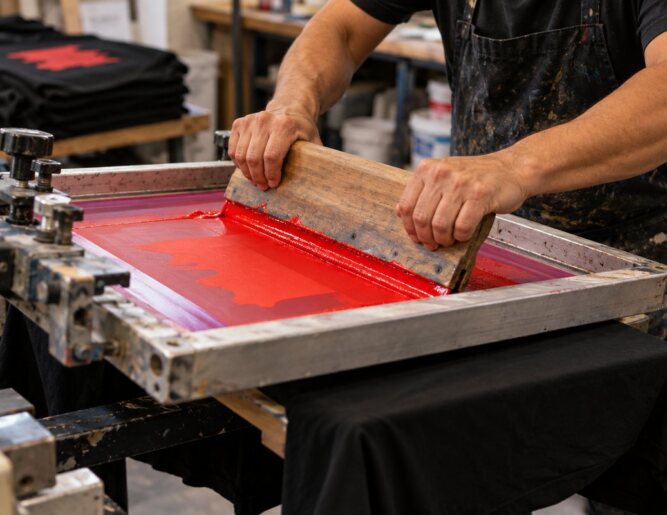
Custom Shirt Printing full-color shirt printing is not magic, but it can feel that way when you see a complex design come out with every detail intact. The key is understanding the limits of each method and matching them to your design.
When Full Color Makes Sense
I have seen a lot of people overthink their shirt designs. They strip out all the color because they assume color printing is too expensive or too complicated. That can be a mistake. A full-color design on a dark shirt, especially one with a vivid photo or a gradient, draws the eye in a way that flat vector art cannot. It creates depth.
Consider a local coffee shop wanting a shirt for their baristas. A simple logo in one color is fine. But a shirt with a full-color photo of a latte with foam art, with the shop name overlaid in a clean font, tells a story. Customers ask about it. It becomes a talking point. That is real marketing value.
For events, full-color printing is almost essential. Think about a music festival shirt. It needs to capture the energy of the event. A single-color logo feels flat. A full-color design with the lineup, a vibrant background, and maybe a stylized illustration of the venue creates a souvenir people actually want to wear. I have seen bands sell out of shirts because the design was that good, and full color was a huge part of why.
Trade-Offs and Practical Considerations
Full-color printing is not always the right answer. If you are printing a huge run of simple logo shirts for a corporate event and the budget is tight, a one- or two-color screen print is still a smart choice. It is cost-effective, durable, and fast. Full-color methods, especially DTG and DTF, have a slightly higher per-unit cost for larger runs compared to screen printing. But for small batches or complex designs, they are often cheaper because there are no screen setup fees.
Another factor is durability. A well-cured screen print can last for years. DTG and DTF prints are also durable if done correctly, but they can fade faster if washed aggressively or if the wrong ink is used. This is where working with a shop that does in-house production matters. They can control the process from start to finish, ensuring the cure temperature is right and the pretreat is applied evenly. A shop that outsources this work loses that control.
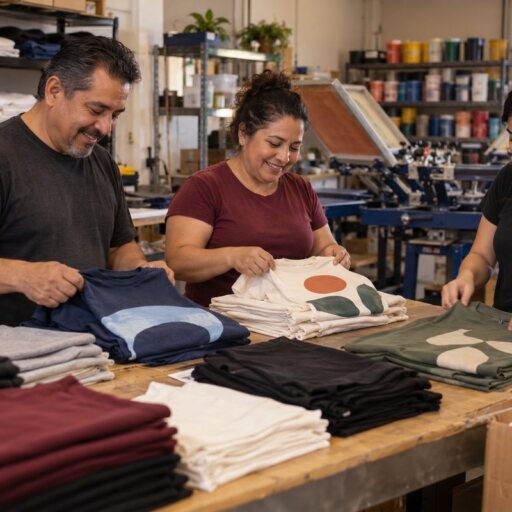
Custom Shirt Printing full-color shirt printing requires a careful balance between the design itself and the garment choice. A very detailed design with tiny text might not reproduce well on a textured fabric like a slub knit tee. A smooth, fine-knit shirt is a better canvas. Similarly, dark shirts need a white underbase for the colors to pop, which adds a step and can affect the hand feel. A good printer will walk you through these choices.
How to Get the Best Results
If you are planning a full-color shirt project, here are a few things I have learned that make a real difference:
- Start with a high-resolution image. At least 300 DPI at the final print size. Pixelated images look terrible no matter the method.
- Keep the design within the printable area. Most printers have a maximum print size of around 12 by 14 inches. Going smaller often looks better anyway.
- Choose the right garment. A 100% cotton tee is ideal for DTG. For polyester or blends, talk to your printer about DTF or a specialty ink.
- Ask for a sample. If the run is large, ask for a proof or a single test shirt. It is worth the small cost to see the colors and placement before committing.
- Consider the shirt color. A bright design on a white shirt will look different than the same design on a black shirt. The white underbase changes the tonal range.
These steps seem basic, but I have seen so many projects go wrong because someone skipped them. The difference between a good print and a great print is often just attention to detail on the front end.
Why In-House Production Matters
One thing that sets apart a reliable print shop is whether they do the work in-house. Shops that outsource to a third-party printer lose control over quality and turnaround time. When you work with a team that prints on their own equipment, they can adjust settings on the fly, test the print on your specific fabric, and fix issues before the whole run is ruined. That is a huge advantage for full-color work, where variables like humidity, fabric type, and ink formulation all play a role.
A family-owned shop with decades of experience, like Custom Shirt Printing, knows the local market. They understand that Los Angeles customers want fast turnaround and vibrant colors that hold up under the sun. They have the equipment and the know-how to handle tricky full-color jobs, from photo-realistic portraits to complex vector art with dozens of colors. When they say they offer free design help, that is not just a gimmick. It is a sign that they want to be a partner in your project, not just a button pusher.

The Bottom Line
Full-color shirt printing is not a trend. It is a tool. Used well, it can elevate your brand, create a memorable event souvenir, or simply make your team look better. The technology has come a long way in the last decade. Prints that used to look muddy or fade after a few washes now hold up beautifully if done right. The key is understanding the process and working with people who care about the results.
Custom Shirt Printing full-color shirt printing is a craft that balances art and science. Do not be afraid to ask questions, request samples, and push for the best possible outcome. Your shirts are walking billboards. They deserve to look their best.
 Facebook
 Instagram